

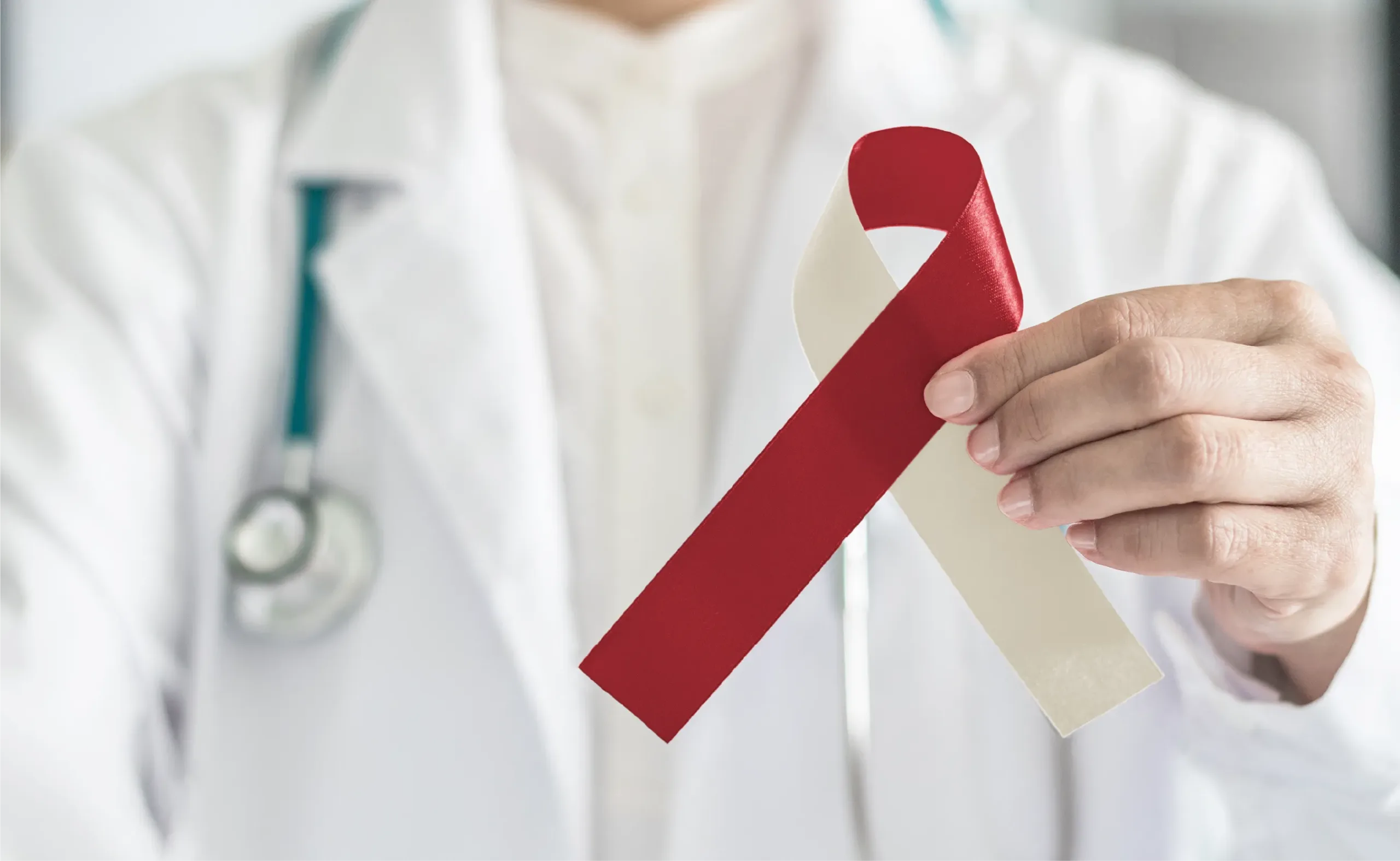
With April being Oral Cancer Awareness Month, we thought it would be a good idea to discuss the risks and symptoms of oral cancer. According to the American Cancer Society, there were 58,450 new cases of oral cavity or oropharyngeal cancer in 2024, and 12,230 deaths.
Oral cancers are basically cancers developing anywhere in the mouth, including the gums, lips, tongue, bottom of the mouth, the inner cheeks, and the roof of the mouth. This type of cancer falls under the category of head and neck cancers. Early detection plays a critical role in the successful treatment of oral cancer, which is why it’s essential to have your dentist examine your mouth regularly during routine dental visits in Berkeley. Oral cancer screenings should be part of your biannual checkups as a preventive measure.
Oral cancer is a serious health concern, and its early detection can significantly increase the chances of successful treatment.
1. Common Symptoms
During your routine dental exam, your dentist will look for several signs that could indicate the presence of oral cancer. These symptoms include:
- Numbness, tenderness, or pain in the mouth, face, or neck.
- Swelling, thickening, or the presence of lumps, rough patches, or crusty areas on the gums or lips.
- Red, white, or mixed red-and-white patches inside the mouth.
- Unexplained bleeding in the mouth.
- Sores on the neck, face, or mouth that tend to bleed easily and do not heal within at least two weeks.
If you notice any of these additional symptoms, bring them to your dentist’s attention as soon as possible:
- Difficulty speaking, chewing, swallowing, or moving your tongue or jaw.
- A sensation of something being stuck in the back of the throat.
- A change in your voice, such as hoarseness.
- Unexplained weight loss.
- Persistent ear pain.
It is crucial to report any concerning symptoms to your dentist promptly.
2. Risk Factors
Several factors can increase the likelihood of developing oral cancer. These include lifestyle habits, age, and family history. Some of the most common risk factors include:
- Gender: Men are twice as likely to develop oral cancer compared to women.
- Excessive sun exposure: This is particularly linked to lip cancers.
- Age: Individuals over 50 years old are at greater risk.
- Family history: A genetic predisposition can increase the risk.
- Tobacco use: Smoking cigarettes, cigars, or pipes significantly raises the risk, with smokers being six times more likely to develop oral cancer than non-smokers.
- Smokeless tobacco: Using chewing tobacco or snuff increases the risk by 50 times.
- Vaping: While not as high as traditional smoking, vaping still elevates the risk of oral and lung cancers.
- Human papillomavirus (HPV): Certain strains of HPV are associated with a higher risk of oral cancer.
- Excessive alcohol consumption: People who drink heavily are six times more likely to get oral cancer.
Even individuals who do not engage in risky behaviors such as smoking or drinking can still develop oral cancer. In fact, more than 25% of oral cancer cases occur in people who either drink alcohol only occasionally or have never smoked.
3. Why Regular Oral Cancer Screenings Are So Important
Although dental cleanings and checkups may seem focused solely on plaque removal and oral hygiene, regular oral cancer screenings are equally important and could be life-saving. Here are a few reasons why these screenings matter:
- Early cancer detection: Identifying cancer at an early stage offers the best chance for successful treatment and recovery.
- Assessing risk factors: While there’s no guarantee of developing cancer, regular screenings help assess your personal risk level based on your lifestyle and family history.
- Establishing a baseline: Having regular screenings allows your dentist to establish a baseline for your oral health. If changes are detected during future visits, timely action can be taken.
- Cancer prevention: Screenings help ensure you’re cancer-free, and they also provide an opportunity for your dentist to offer advice on lifestyle changes that may reduce your risk of developing oral cancer in the future, especially if you fall into a high-risk category.
4. Schedule Your Oral Cancer Screening at Ashby Dental
At Ashby Dental, we prioritize your oral health and offer comprehensive screenings for oral cancer during your regular dental visits. There’s no need to schedule a separate appointment for a screening as it’s included in your routine checkup. However, if you notice any concerning symptoms between visits, don’t hesitate to book your appointment with us at (510) 549-0133. Regular screenings could save your life—schedule yours today!


